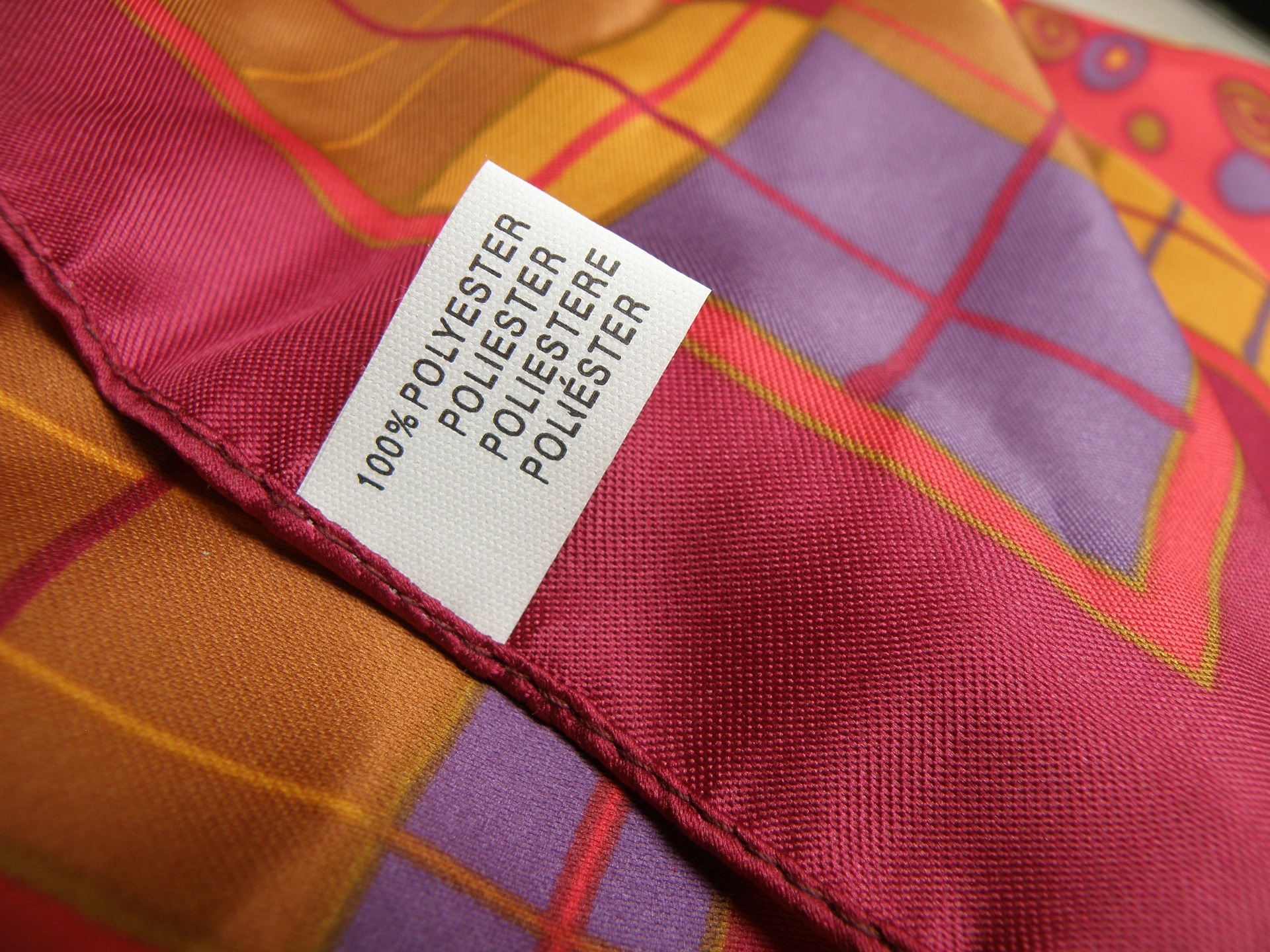
Disperse dyes and its surprising correlation with petroleum. Disperse dyes are in everyday items. They’re all around us.

Identifying dispersed dyes in my environment is crucial for sustaining a healthy lifestyle, which is, in simpler terms, staying alive. This mission includes understanding the various places where these dyes are present. It is to my surprise to discover that they are ordinary—they are everywhere!
With their exceptional adaptability, disperse dyes, available in powder and liquid forms, are widespread in Polyester, cellulose acetate, triacetate, polyamide, and acrylic fibers. They also form the foundation of numerous industries. The production cost is lower, making it profitable for organizations. The construct of these fibers is durable and made to last longer. You look good wearing them at the expense of your health. So, here is my question: Do you want your belongings to outlive you and future generations? Could you hold that thought? Let’s start at the beginning.
What is polyester and its surprising truth?
Let’s begin with Polyester and its surprising correlation to dispersing dyes. Polyester is a versatile group of synthetic polymers with repeated ester units widely employed in producing fibers and plastics. Surprisingly, petroleum is the primary raw material in polyester manufacturing and plays a crucial role in our daily lives. In addition, dispersed dyes, with their harmful chemicals, add color to our wearable fossil fuels. The items with said chemicals are in some of our favorite industries. Within the apparel sector, its utilization is to produce a wide range of clothing, such as shirts, pants, jackets, and hats, offering durability and ease of care. In-home furnishings, Polyester is in items such as bed sheets, blankets, upholstered furniture, and even computer mouse mats, showcasing its adaptability and widespread usage in modern society.
Disperse dyes in cellulose acetate
Producing cellulose acetate involves reacting cellulose, a plant-based fiber derived from wood flakes, cotton fibers, or wood pulp, with acetic acid, anhydride of acetic acid, and sulfuric acid. This chemical reaction creates compounds that are insoluble in water. As a result, the mixture becomes plastic and spreads into thin sheet-like formations. Cellulose acetate comprises various products, including textile fibers, packaging sheets, photographic films, paints, and varnishes. Its diverse applications include cosmetic containers, tool handles, steering wheel covers, eyeglass frames, pens, toys, models, and brush handles. Every time we get in our car to drive to the store with our sunglasses on, it is not surprising we are touching dispersed dyes and fossil fuels.
Also in triacetate
Triacetate is an advanced acetate derivative classified as a semi-synthetic fiber. This innovation means that while its raw materials are natural, the production process involves chemical treatments to transform it into a viable fiber. The production requires wood pulp from trees and acetic acid. Triacetate is also known as triacetin or glycerol triacetate and is a synthetic liquid organic compound utilized across multiple industries. Its common uses are as a plasticizer in plastics, a solvent in ink and paint, and a food additive. This fact is surprising, we are consuming fossil fuels and disperse dyes orally. In addition, fabrics made from triacetate are often wrinkle and shrink-resistant. Lastly, triacetate has an application in producing umbrellas and cigarette filters, as if cigarettes alone aren’t harmful enough.
Polyamide Too
Polyamide, known as nylon, is a synthetic polymer with an elastic structure. It’s common in manufacturing diverse products due to its remarkable properties. Items such as stockings, book bags, wedding gowns, backpacks, flak jackets, athletic shoes, ponchos, umbrellas, camera cases, swimwear, socks, parachutes, gun parts, fishing nets, tires, seat belts, sleeping bags, tents, ropes, tennis rackets, carpet, and machine gears all benefit from the durability and elasticity that nylon provides. This versatile material is essential for many applications thanks to its strength and flexibility. It’s also surprising that items such as seat belts are to help save lives, but they cancel out by the use of petroleum and disperse dyes. We could argue that seat belts save lives at the moment but will kill us slowly with their chemicals.
Not surprisingly acrylic fibers, too!
Acrylic fibers are versatile synthetic textile fibers with quick-drying properties. These fibers are created by polymerizing acrylonitrile, often in combination with other monomers. Acrylic finds widespread use in the production of sweaters, hats, hand-knitting yarns, socks, rugs, awnings, boat covers, and upholstery. Additionally, acrylic serves as a precursor for the manufacturing of carbon fiber. In the modern world, acrylic has many applications, ranging from lenses, acrylic nails, and paint to medical devices, furniture, and LCD screens. It is also common in hair extensions, wigs, area rugs, carpets, and brushes. Unsurprisingly, we need hair extensions; we brush our hair with harmful dispersed dyes and petroleum.
Disperse dyes are surprising
Polyamide, known as nylon, is a synthetic polymer with an elastic structure. It’s common in manufacturing diverse products due to its remarkable properties. Items such as stockings, book bags, wedding gowns, backpacks, flak jackets, athletic shoes, ponchos, umbrellas, camera cases, swimwear, socks, parachutes, gun parts, fishing nets, tires, seat belts, sleeping bags, tents, ropes, tennis rackets, carpet, and machine gears all benefit from the durability and elasticity that nylon provides. This versatile material is essential for many applications thanks to its strength and flexibility. It’s also surprising that items such as seat belts are to help save lives, but they cancel out by the use of petroleum and disperse dyes. We could argue that seat belts save lives at the moment but will kill us slowly with their chemicals.

Follow me on Pinterest for more research.
One response to “Disperse Dyes And Its Surprising Correlation With Petroleum”
[…] the item’s content. This label does not include the types of dyes. Rule of thumb: If it is a synthetic fiber, it is full of harmful […]